

Understanding the Health Risks of Basement Moisture and How to Prevent Them
Basement moisture is a significant health and structural risk for homeowners. Even small amounts of dampness in the basement can lead to mold growth, pest infestations, and the spread of allergens throughout the home. At Jamison Waterproofing, we have seen firsthand how basement moisture issues, if ignored, escalate from a minor nuisance to a major threat to indoor air quality and family well-being. A healthy, dry basement is critical for the safety and comfort of your home—especially in Pennsylvania, New Jersey, and Delaware, where seasonal rains and older foundations make moisture intrusion common.
We’ll explain the most pressing health risks of basement moisture, how to recognize the earliest signs, and—most importantly—what steps you can take to prevent these hazards. Our goal is to provide clear, actionable advice so you can keep your home safe and ensure peace of mind for your family. As your trusted local experts, Jamison Waterproofing takes pride in sharing real solutions proven over more than 35 years in the field.
What is Basement Moisture?
Basement moisture is any form of unwanted dampness or water intrusion found in lower levels of a building. It might appear as condensation, seepage after heavy rains, constant damp spots at floor joints, or small leaks at cracks and window wells. While minor, occasional moisture can seem harmless, persistent dampness creates prime conditions for unhealthy mold, bacteria, and pests to thrive.
Why Is Basement Moisture a Health Concern?
Moisture rarely stays contained in the basement. Through the stack effect, air travels from lower levels into main living spaces, bringing allergens and mold spores with it. Dampness supports the rapid spread of mold and bacteria, and increases the likelihood of pest activity—affecting everyone in the home. The risks are particularly high for people with asthma, allergies, or weakened immune systems.
The Main Health Risks of Basement Moisture

Mold Growth and Respiratory Irritation
Mold needs moisture to grow and can quickly colonize drywall, wood, carpeting, stored boxes, and insulation. Its spores spread easily through indoor air, causing sneezing, coughing, congestion, itchy eyes, and even more severe reactions. Children, seniors, and those with respiratory conditions are especially sensitive.
- Mold is often hidden behind walls, under carpets, or near leaks.
- The first clue is typically a musty, earthy odor in the basement or home.
- Exposure over time increases risk for chronic sinus issues, allergic reactions, and asthma flare-ups.
Exacerbation of Allergies Due to Dust Mites
Dust mites thrive in damp environments. Basements with humidity above 50% offer ideal conditions for dust mites, which can spread into carpets and HVAC systems upstairs. Dust mite allergens are a well-known cause of morning congestion, sneezing, and persistent allergy symptoms at home.
Pest Infestations and Associated Hazards
Damp basements attract pests including rodents, cockroaches, silverfish, and termites. Not only do these pests damage insulation and wiring, but their waste can introduce bacteria and worsen respiratory problems. The presence of pests is a key indicator of a persistent moisture problem.
Bacterial Growth on Wet Surfaces
Basement leaks, especially those involving wastewater or outdoor flooding, can lead to bacterial contamination. Bacteria can linger on wet surfaces and in settled puddles, putting family members at risk of skin irritation, stomach illness, and infections after contact or airborne exposure.
Impacts on Whole-Home Air Quality
The basement acts as a reservoir for poor air. Musty smells and high humidity migrate from the basement into main living areas, reducing comfort and making it challenging to maintain healthy indoor air. Increased HVAC usage to fight these effects also raises energy costs.
Electrical Hazards
Water exposure can turn outlets and wiring in the basement into a dangerous threat. Standing water can cause shorts, damage to appliances, and even fire risk. Water and electricity are a hazardous mix, and these issues should always be addressed immediately by a professional.
Early Signs that Basement Moisture is Becoming a Health Risk
- Persistent musty or earthy odors in the basement or main level
- Water stains, rust on metal fixtures, or efflorescence (white powder) on the walls
- Peeling paint, bubbling drywall, warping wood, or soft baseboards
- Condensation on pipes or windows
- Visible mold spots or increased allergy symptoms indoors
- Pest sightings or droppings near boxes or stored items
You can monitor basement humidity with a simple hygrometer; values consistently above 50% require proactive steps.
Comprehensive Framework for Preventing Basement Moisture and Health Problems
Step 1: Address All Leaks Immediately
- Repair any visible plumbing leaks or dripping pipes.
- Seal floor and wall cracks with professional-grade waterproofing solutions.
- Replace drywall, insulation, or trim if it has been exposed to long-term moisture.
Step 2: Control Humidity with Dehumidification
For most homes, basement humidity should be maintained between 30% and 50%. This often requires a professional-grade basement dehumidifier—portable units don’t always provide consistent results for large spaces. Jamison Waterproofing’s dehumidification services include installation of direct-drain systems for reliable year-round humidity control.
Step 3: Improve Drainage In and Around the Home
- Keep gutters clear, and make sure downspout extensions carry water at least 6 feet from the foundation.
- Ensure proper yard grading; soil should slope away to direct rainwater from the basement walls.
- Inspect for pooling water after heavy storms and upgrade yard or exterior drainage systems as needed.
Step 4: Rely on a Quality Sump Pump System
A sump pump is vital in storm-prone areas or homes with a history of seepage. At Jamison Waterproofing, we install sump pump systems with battery backups and airtight lids to maintain dryness even during power outages.
Step 5: Repair Foundation Cracks and Wall Gaps
Inspect your foundation every spring and fall for new or growing cracks. Structural repairs and wall stabilization may be necessary for major movement or leaks. Jamison technicians address cracks at the source, helping ensure long-term protection rather than temporary fixes.
Step 6: Encapsulate Crawl Spaces Where Needed
Homes with crawl spaces benefit from vapor barriers, sealed vents, and insulation to keep moisture out. Our crawl space encapsulation services help prevent ground water vapor from compromising air quality and creating hidden moisture pockets.
Step 7: Get a Professional Inspection Before Basement Finishing
Never finish a basement until all water sources have been identified and addressed. Mold-resistant materials should be used where appropriate, and the structure must be dry year-round to avoid future remediation costs.
How Jamison Waterproofing Delivers Safe and Healthy Basements
With over 35 years of experience serving Pennsylvania, New Jersey, and Delaware, Jamison Waterproofing has become the region’s trusted authority for full-spectrum basement health and moisture control. Our personalized service, highly trained technicians, and proven systems—including interior and exterior drainage, sump pump upgrades, dehumidification, crack repair, and structural stabilization—set the local industry standard for safety and results.
- Basement waterproofing solutions custom-designed for every home
- Patented drainage systems like GrateDrain™ and GrateTrench™
- Moisture control and mold prevention tailored for your property
- Transferable lifetime warranties and thorough follow-up support
- A+ BBB rating and over 1,500 five-star Google reviews from local homeowners
We focus on solving the root cause of moisture—never on temporary cover-ups—because we understand the connection between basement health and the well-being of your family. Our team ensures that each solution improves indoor air quality, structural safety, and overall comfort in your home.
Best Practices for Homeowners: Avoiding Basement Moisture Pitfalls
- Inspect your basement every season for new stains, odors, cracks, or condensation.
- Address leaks and pooling water immediately—don’t wait for the problem to grow.
- Keep storage items off the floor and avoid using cardboard boxes, which absorb moisture.
- Test your sump pump system regularly, and schedule professional maintenance at least yearly.
- Monitor humidity and run your dehumidifier as soon as readings climb above 50%.
- Choose professional help when DIY fixes fail, or when persistent health symptoms arise.
When Professional Help is Needed
Contact a professional like Jamison Waterproofing if you notice:
- New leaks or seepage every time it rains
- Visible mold or musty odors that return after cleaning
- Persistent high humidity despite running a dehumidifier
- Bowing, cracked, or shifting foundation walls
- Ongoing pest or electrical problems traced to moisture
- Failed sump pump or drainage system
Our inspections provide a clear, written estimate and a custom moisture control plan—so you never have to worry about hidden surprises.
FAQ: Basement Moisture and Health
What are the first signs of a moisture problem in the basement?
Common early signs include musty smells, visible mold or mildew spots, peeling paint, water stains, efflorescence (white powder) on masonry, and increased allergy symptoms in the home.
How quickly can mold form in a damp basement?
Mold can begin growing within 24-48 hours on wet surfaces if the humidity is consistently high. Prompt leak repair and effective dehumidification are essential.
Do dehumidifiers prevent all basement moisture problems?
Dehumidifiers are crucial for controlling humidity, but they cannot address water entry from leaks, flooding, or foundation cracks. A comprehensive solution is best—for instance, combining drainage, sump pumps, and dehumidification.
Is it safe to finish my basement if I've had a past moisture issue?
Only finish your basement after the underlying source of moisture has been fully resolved and the space has remained dry through all seasons. Use mold-resistant materials and proper insulation. Schedule a professional inspection first.
What sets Jamison Waterproofing apart from other companies?
Jamison Waterproofing is recognized for custom, long-lasting solutions, highly trained staff, and state-of-the-art materials. Our reputation is built on clear communication, written warranties, and thorough after-service care—earning us an A+ BBB rating and 1,500+ five-star reviews in the region.
Can pests be permanently eliminated by fixing moisture problems?
Removing the moisture source greatly reduces the likelihood of recurring pest infestation, as damp environments are necessary for most indoor pests to survive and thrive.
Conclusion
The risks associated with basement moisture go beyond simple property damage—they impact the overall health, comfort, and safety of everyone who lives in your home. Preventing and eliminating moisture demands attention to detail and an understanding of how water travels in and around your foundation. If you ever suspect a problem, trust the decades of expertise offered by Jamison Waterproofing. We are committed to providing honest assessments, highly effective solutions, and ongoing support to homeowners throughout the Greater Philadelphia area and beyond.
To schedule a free professional inspection and let our team give you a true peace of mind, contact Jamison Waterproofing today.
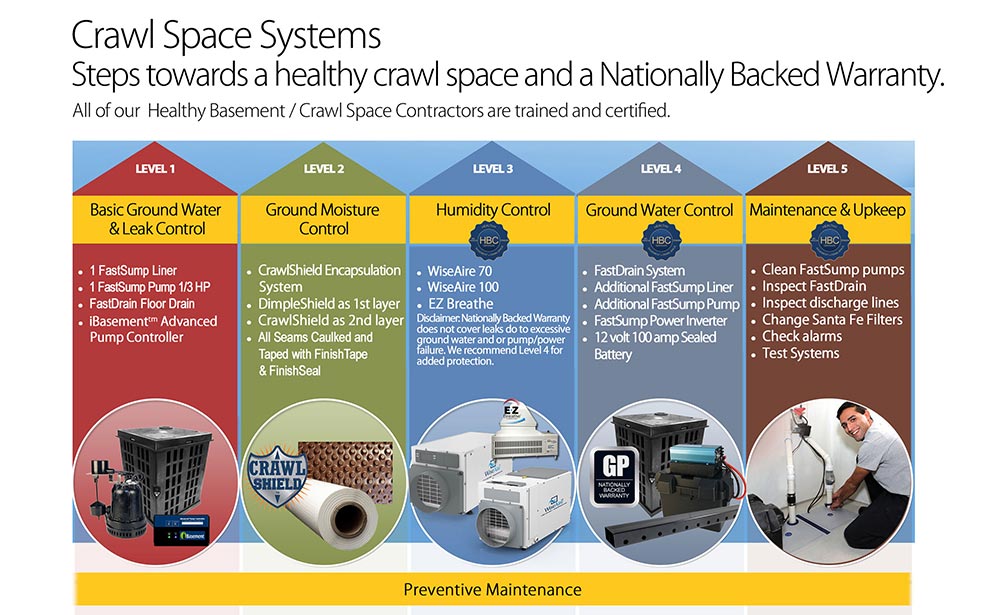
iBasement Systems & Crawl Space Systems Certificates in the Philadelphia Area
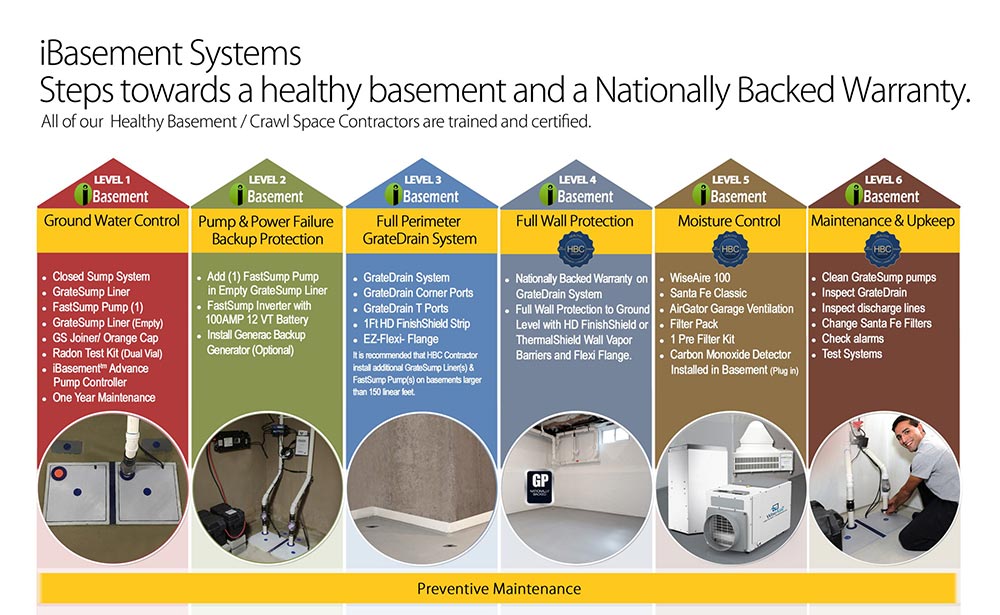
The iBasement Systems and Crawl Space Systems Certificates were created using specific sets of criteria to provide a healthy indoor living environment. Air pollutants and excessive moisture levels in the basement or crawl space can negatively impact the odors in the home as well as cause health problems with those who live there year-round - including yourself!
We offer 6 levels of iBasement Certificate, and 5 levels Crawl Space Systems Certificate, each designed to solve specific problems and protect your home, family, and property value on the long run.
Financing available!
PreQualify
Financing Available to Qualified Buyers!
Start your journey effortlessly with a soft credit pull via PreQualify, and transition seamlessly into our Online Application!









Call Us Now or Fill out the Contact Form
We love our customers, so feel free to visit during normal business hours.
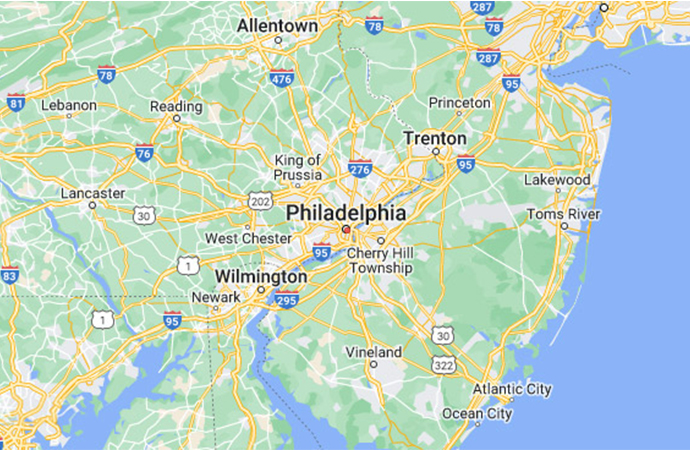
Jamison Basement Waterproofing Service Area
- Abington
- Aldan
- Allentown
- Ambler
- Arcola
- Ardmore
- Ardsley
- Aston
- Atco
- Audubon
- Avondale
- Bala Cynwyd
- Barrington
- Bedminster
- Bellmawr
- Bensalem
- Berlin
- Berwyn
- Bethel
- Bethlehem
- Beverly
- Birmingham
- Blackwood
- Blooming Glen
- Blue Bell
- Boothwyn
- Bordentown
- Bridgeport
- Bristol
- Brookhaven
- Broomall
- Browns Mills
- Bryn Athyn
- Bryn Mawr
- Buckingham
- Burlington
- Camden
- Carversville
- Cedar Brook
- Chadds Ford
- Chalfont
- Chatsworth
- Cheltenham
- Cherry Hill
- Chester
- Chester Heights
- Chester Springs
- Chesterbrook
- Chesterfield
- Chestnut Hill
- Cheyney
- Churchville
- Clementon
- Clifton Heights
- Coatesville
- Collegeville
- Collingdale
- Collingswood
- Colmar
- Columbus
- Colwyn
- Concordville
- Conshohocken
- Cookstown
- Coopersburg
- Creamery
- Croydon
- Crum Lynne
- Danboro
- Darby
- Delanco
- Delran
- Devault
- Devon
- Dover
- Downingtown
- Doylestown
- Dresher
- Drexel Hill
- Dublin
- Durham
- E-Brunswick
- Eagleville
- East Lansdowne
- East Norriton
- Eddystone
- Edgemont
- Edgewater Park
- Edgmont
- Elkins Park
- Erdenheim
- Erwinna
- Essington
- Evesham
- Ewing Township
- Fairless Hills
- Fairview Village
- Feasterville
- Feasterville Trevose
- Ferndale
- Florence
- Flourtown
- Folcroft
- Folsom
- Forest Grove
- Fort Dix
- Fort Washington
- Fountainville
- Franconia
- Frazer
- Furlong
- Gardenville
- Garnet Valley
- Gibbsboro
- Gladwyne
- Glen Mills
- Glen Riddle Lima
- Glendora
- Glenolden
- Glenside
- Gloucester City
- Gradyville
- Green Lane
- Gwynedd
- Gwynedd Valley
- Haddon Heights
- Haddon Township
- Haddonfield
- Hainesport
- Hamilton Township
- Hammonton
- Harleysville
- Hatboro
- Hatfield
- Haverford
- Havertown
- Hightstown
- Hilltown
- Holicong
- Holland
- Holmes
- Hopewell
- Horsham
- Hunter Hill Drive
- Huntingdon Valley
- Ivyland
- Jacksonville
- Jamison
- Jenkintown
- Jobstown
- Juliustown
- Kennett Square
- Kimberton
- King Of Prussia
- Kintnersville
- Kulpsville
- Lafayette Hill
- Lahaska
- Langhorne
- Lansdale
- Lansdowne
- Laverock
- Lawnside
- Lawrence Township
- Lawrenceville
- Lederach
- Lenni
- Levittown
- Limerick
- Line Lexington
- Lower Chichester
- Lumberton
- Lumberville
- Magnolia
- Mainland
- Malvern
- Maple Shade
- Maple-Glen
- Marcus Hook
- Marlton
- Marple
- Meadowbrook
- Mechanicsville
- Medford
- Medford Lakes
- Media
- Melrose Park
- Merchantville
- Merion Station
- Middletown
- Milford Square
- Millbourne
- Monroe Township
- Mont Clare
- Montgomeryville
- Moorestown
- Morrisville
- Morton
- Mount Ephraim
- Mount Holly
- Mount Laurel
- Narberth
- Nether Providence
- New Gretna
- New Hope
- New Lisbon
- Newark
- Newtown
- Newtown Square
- Norristown
- North Wales
- Norwood
- Oaklyn
- Oaks
- Oreland
- Ottsville
- Palmyra
- Paoli
- Parker Ford
- Parkesburg
- Parkside
- Pemberton
- Penllyn
- Penn Valley
- Penndel
- Pennington
- Pennsauken
- Pennsburg
- Perkasie
- Philadelphia
- Phoenixville
- Pineville
- Pipersville
- Plumsteadville
- Plymouth Meeting
- Point Pleasant
- Pottstown
- Princeton
- Princeton Junction
- Prospect Park
- Quakertown
- Radnor
- Rancocas
- Revere
- Richboro
- Richlandtown
- Ridley Park
- Riegelsville
- Riverside
- Riverton
- Rockledge
- Roebling
- Rose Valley
- Roslyn
- Royersford
- Runnemede
- Rushland
- Rutledge
- Rydal
- Salford
- Salfordville
- Schwenksville
- Secane
- Sellersville
- Sewell
- Shady Lane
- Shamong
- Sharon Hill
- Sicklerville
- Silverdale
- Skippack
- Solebury
- Somerdale
- Souderton
- Southampton
- Spinnerstown
- Spring City
- Spring House
- Spring Mount
- Springfield
- Strafford
- Stratford
- Swarthmore
- Tabernacle
- Telford
- Thornbury
- Thornton
- Tinicum
- Titusville
- Trainer
- Trenton
- Trumbauersville
- Tylersport
- Upland
- Upper Black Eddy
- Upper Chichester
- Upper Darby
- Valley Forge
- Villanova
- Vincentown
- Voorhees
- Voorhees Township
- Wallingford
- Warminster
- Warrington
- Washington Crossing
- Washington Township
- Waterford Works
- Wayne
- West Berlin
- West Chester
- West Grove
- West Point
- West Windsor
- Wheatsheaf Lane
- Willingboro
- Willow Grove
- Wilmington
- Windsor
- Winslow
- Winslow Township
- Woodlyn
- Worcester
- Woxall
- Wrightstown
- Wycombe
- Wyncote
- Wyndmoor
- Wynnewood
- Yardley
- Yeadon
- Zieglerville
- Zionhill
