

Basement Wet After a Storm? What Philadelphia and South Jersey Homeowners Should Do Next

The rain has stopped. The water in your basement may still be doing damage.
After a hard rain, the first trip downstairs can be unsettling: a wet line along the wall, soaked boxes, a musty smell, or several inches of water around the furnace. Maybe the sump pump ran all night. Maybe it never came on. Either way, you need more than a quick cleanup. You need to know where the water entered, why the system did not keep up, and what will happen during the next storm.
Jamison Basement Waterproofing helps homeowners throughout Greater Philadelphia and South Jersey solve basement and crawl space moisture problems. Locally owned and serving the area for more than 35 years, our team looks at the entire water problem before recommending a repair. If your basement got wet after heavy rain, request an inspection while the evidence is still visible.
484-276-2272 Contact UsFirst, Make the Flooded Basement Safe
Do not step into standing water if outlets, appliances, wiring, or an electrical panel may be affected. Do not wade in to unplug a sump pump or reset a breaker. If you smell gas, leave the house and contact your gas utility or emergency services. Have the appropriate qualified professional address electrical or gas hazards before entering or starting cleanup. Never operate a gasoline generator or pump indoors or near a window or door.
Once the space is safe:
- Photograph the damage. Capture the water line, wet contents, mechanical equipment, sump basin, and any visible entry point. Ask your insurer what documentation it needs before disposing of damaged property.
- Remove water and begin drying promptly. Wet carpet, drywall, insulation, cardboard, and stored belongings can hold moisture after the concrete looks dry. The EPA recommends drying a flooded home and its contents within 24 to 48 hours when possible.
- Get the right trades involved. Have affected electrical, heating, cooling, and water-heating equipment assessed by qualified professionals. If sewage or other contaminated water entered, tell the cleanup company before work begins.
- Have the water source investigated. A working pump does not explain why water crossed the basement floor or whether it will happen again.
Still seeing water or new dampness? Contact Jamison for an assessment of your basement or crawl space and the system meant to keep it dry.
Where Does Crawl Space Moisture Come From?
Crawl space moisture usually has more than one source. That is why simply laying plastic over part of the floor or placing a household dehumidifier in the space may not solve the underlying problem.
Ground Moisture
A dirt crawl space floor may look dry while still releasing water vapor. Moisture in the soil can migrate upward and evaporate into the crawl space air. The EPA identifies crawl spaces with exposed earth as common locations for hidden mold growth because soil moisture can enter the space through capillary movement and evaporation.
Groundwater and Surface Water
Water may enter beneath the foundation or travel through foundation walls after heavy rain, snowmelt, poor exterior drainage, or changes in the local water table. Low areas within the crawl space can then collect standing water. When liquid water is present, encapsulation alone is not enough. The water must first be collected, directed, and removed through an appropriately designed drainage and sump pump system.
Humid Outdoor Air
Open or poorly sealed crawl space vents allow outdoor air to move beneath the home. In warm weather, that air may carry enough moisture to create condensation when it reaches cooler crawl space surfaces.
Plumbing and Mechanical Leaks
A slow plumbing leak, sweating pipe, damaged HVAC drain, or disconnected line can continuously introduce moisture. Because homeowners rarely enter their crawl spaces, these problems may continue for months before they are discovered.
Foundation Openings and Air Leakage
Gaps around pipes, wiring, access doors, vents, and the foundation perimeter allow moisture-laden air to move in and out of the crawl space. These openings also make indoor humidity and temperature more difficult to control.

Why Crawl Space Conditions Can Affect the Rest of Your Home
Air does not remain confined beneath the floor.
Pressure differences and natural air movement allow air from an unconditioned crawl space to travel through gaps around plumbing, wiring, ductwork, flooring, and framing. Moisture can also migrate from the crawl space into other parts of the building through cracks and openings.
This upward movement helps explain why a crawl space problem may first appear elsewhere in the home.
Common warning signs include:
- Persistent musty odors on the first floor
- Floors that feel unusually cold or damp
- Higher indoor humidity
- Damp or deteriorating insulation
- Condensation on windows or ductwork
- Uneven, sagging, or bouncy floors
- Mold or staining on floor joists
- Rust on metal components
- Increased heating and cooling costs
- Water collecting after storms
These symptoms do not all point to the same repair. A proper inspection is necessary to determine where the moisture originates, how it moves through the structure, and what must be corrected to control it.
Concerned about conditions beneath your home? Contact Jamison Basement Waterproofing today for a free inspection and written estimate - and that’s something we’ve helped thousands of homeowners in Philadelphia, Wilmington, and Southern New Jersey with.
The Difference Between a Vapor Barrier and Full Crawl Space Encapsulation
The terms vapor barrier and crawl space encapsulation are sometimes used interchangeably, but they do not necessarily describe the same level of protection.
A basic vapor barrier covers exposed soil to reduce the amount of ground moisture entering the crawl space. This can be an important component of moisture control, but a loosely installed sheet of plastic may leave walls, piers, seams, vents, and other openings exposed.
Full crawl space encapsulation creates a more complete separation between the crawl space and surrounding moisture sources. Depending on the home’s conditions, the process may include:
That means:
- Addressing standing water and groundwater intrusion
- Installing an interior crawl space drainage system
- Directing collected water to a sump pump
- Sealing vents and outside-air openings
- Covering exposed earth with a durable liner
- Extending and securing the liner at walls and supports
- Sealing seams and penetrations
- Managing crawl space humidity with properly sized dehumidification
- Correcting damaged insulation or access points when needed
The objective is not merely to make the crawl space look cleaner. It is to create a dry, controlled environment that protects the home above it.
484-276-2272 Contact UsJamison’s Whole-System Approach to Crawl Space Moisture in the Philadelphia, Delaware and Southern New Jersey Areas
Every crawl space is different. One may have high humidity without standing water, while another may experience groundwater intrusion during every major storm. Some homes have exposed soil, damaged insulation, open vents, inadequate drainage, or several problems occurring at once.
1. Identify the Sources of Water and Humidity
Our crawl space specialists inspect the area for standing water, moisture intrusion, exposed soil, open vents, condensation, mold-conducive conditions, damaged materials, drainage limitations, and other visible concerns.
2. Control Liquid Water
When groundwater or surface water is entering the crawl space, an interior drainage system may be needed to capture it before it spreads across the floor.
Jamison Waterproofing can direct collected water into a GrateSump™ liner, where a properly selected sump pump removes it from the crawl space. Battery backup protection may also be recommended to help maintain pumping capability during a power outage.
3. Create a Durable Ground and Moisture Barrier
Jamison’s CrawlShield™ Encapsulation System is designed to isolate the crawl space from ground vapor and help block moisture and odors from entering through exposed soil.
Unlike a partial or loosely fitted ground covering, a professionally installed encapsulation system is integrated into a broader moisture-control plan.
4. Seal Crawl Space Vents and Outside Air Openings
Because outdoor air can increase crawl space humidity during warm, damp weather, vent openings may need to be properly sealed as part of a closed crawl space system.
Jamison offers fitted crawl space vent covers to help limit uncontrolled outside air and support more stable conditions beneath the home.
5. Control Remaining Humidity
Once water intrusion and outside moisture sources have been addressed, a crawl space dehumidification system can help maintain appropriate relative humidity.
A dehumidifier should support a properly waterproofed and sealed crawl space. It should not be expected to overcome standing water, open vents, or uncontrolled ground moisture by itself.
6. Protect the Home for the Long Term
A successful crawl space solution works as a coordinated system: drainage manages liquid water, the sump pump removes it, encapsulation helps block ground vapor, vent sealing limits humid outside air, and dehumidification manages moisture remaining in the enclosed space.
That is the science behind long-term crawl space moisture control.
Why Mold Cleanup Alone May Not Solve the Problem
When mold appears beneath a home, cleaning the visible growth is only part of the answer. If the moisture source remains, conditions may continue to support new growth.
The EPA’s central guidance is straightforward: controlling indoor mold growth requires controlling moisture.
An effective plan may therefore require two coordinated steps:
- Properly address existing mold or damaged materials.
- Correct the water and humidity conditions that allowed the problem to develop.
Painting over stained wood, spraying a temporary treatment, or replacing damp insulation without controlling moisture does not address the complete cause.
Schedule your basement & crawl space waterproofing inspection today!
The Benefits of a Professionally Protected Crawl Space
A correctly designed crawl space moisture-control system can help:
- Reduce dampness and musty odors
- Limit ground vapor entering the crawl space
- Create conditions less favorable to mold and wood decay
- Protect floor joists and other structural materials
- Improve comfort on the floor above
- Reduce uncontrolled air leakage
- Protect insulation and mechanical equipment
- Make the crawl space cleaner and easier to inspect
- Support the long-term health and value of the home
Results depend on the condition of the crawl space and the solutions installed. That is why Jamison begins with an inspection rather than assuming every homeowner needs the same products.
Contact Jamison Basement Waterproofing for a free inspection and written estimate - and that’s something we’ve helped thousands of homeowners in Philadelphia, Wilmington, and Southern New Jersey with.
Local Experience Matters Beneath Your Home
Homes throughout Philadelphia, Bucks County, Montgomery County, Chester County, Delaware County, the Main Line, Southern New Jersey, Central New Jersey, and Northern Delaware vary widely in age, foundation design, soil conditions, drainage, and previous repairs.
Jamison Basement Waterproofing has served the Greater Philadelphia region since 1989. As a local, family-owned and operated company—not a national franchise—we understand the moisture challenges found in homes across communities such as Philadelphia, Jenkintown, Doylestown, Yardley, King of Prussia, West Chester, Cherry Hill, Moorestown, Princeton, Trenton, and Wilmington.
Our trained team provides tailored crawl space solutions backed by more than 35 years of regional waterproofing experience, superior workmanship, a free inspection, and a written estimate.
Protect Your Crawl Space - and the Home Above It!
A damp crawl space will rarely correct itself. Moisture can continue affecting insulation, wood, air quality, comfort, and energy performance while the space remains out of sight.
If you notice standing water, musty odors, high humidity, mold growth, damp insulation, or uneven floors, schedule a professional crawl space inspection before the problem becomes more extensive and expensive.
Our family is here for your family—to help protect the health, comfort, and value of your home.
484-276-2272 Contact UsFrequently Asked Questions About Crawl Space Moisture and Encapsulation
Does opening crawl space vents help dry the area?
What is the best way to fix a wet crawl space?
Is a vapor barrier the same as crawl space encapsulation?
Will encapsulation stop mold from growing?
Does an encapsulated crawl space need a dehumidifier?
Can crawl space moisture cause musty odors upstairs?
Can a wet crawl space damage floor joists?
How much does crawl space encapsulation cost in the Philadelphia area?
What areas does Jamison Basement Waterproofing serve?
Why choose Jamison for crawl space waterproofing?
Protect Your Basement. Protect Your Family. Protect Your Investment.
At Jamison Basement Waterproofing, your home is more than just a structure — it’s where your family’s memories are made. Our mission is to protect that investment with integrity, advanced technology, and unmatched service.
Stay dry. Stay healthy. Stay protected — with Jamison Basement Waterproofing, the name homeowners have trusted for over 35 years.
Contact Us for Sump Pump System Installation in the Philadelphia PA, Cherry Hill NJ & Wilmington DE Areas
If you are in need of a basement sump pump, Contact Jamison Basement Waterproofing project managers today.
484-276-2272 Contact UsiBasement Systems & Crawl Space Systems Certificates in the Philadelphia Area
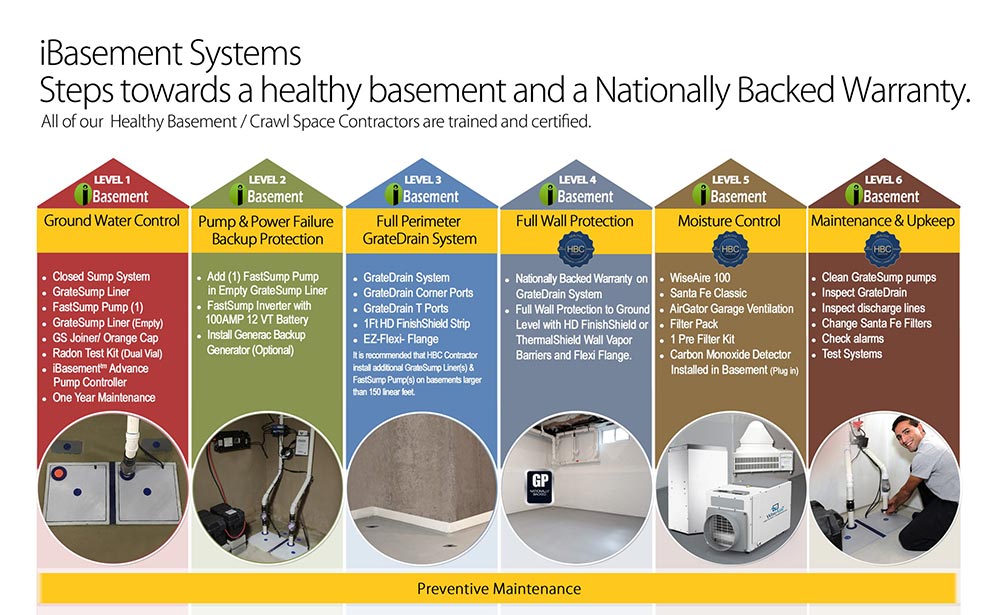
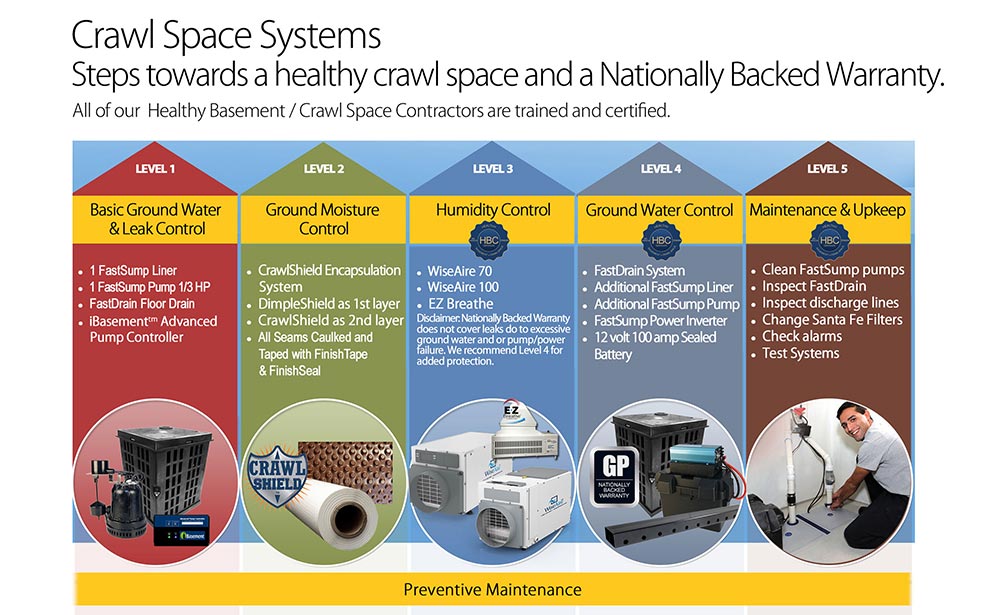
The iBasement Systems and Crawl Space Systems Certificates were created using specific sets of criteria to provide a healthy indoor living environment. Air pollutants and excessive moisture levels in the basement or crawl space can negatively impact the odors in the home as well as cause health problems with those who live there year-round - including yourself!
We offer 6 levels of iBasement Certificate, and 5 levels Crawl Space Systems Certificate, each designed to solve specific problems and protect your home, family, and property value on the long run.
Financing available!
PreQualify
Financing Available to Qualified Buyers!
Start your journey effortlessly with a soft credit pull via PreQualify, and transition seamlessly into our Online Application!









Call Us Now or Fill out the Contact Form
We love our customers, so feel free to visit during normal business hours.
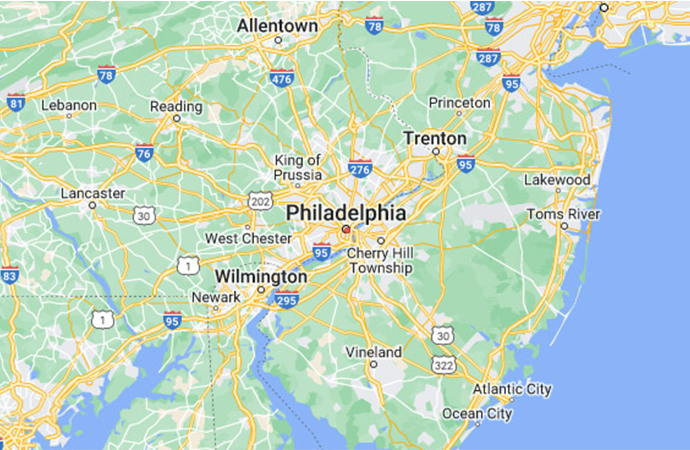
Jamison Basement Waterproofing Service Area
- Abington
- Aldan
- Allentown
- Ambler
- Arcola
- Ardmore
- Ardsley
- Aston
- Atco
- Audubon
- Avondale
- Bala Cynwyd
- Barrington
- Bedminster
- Bellmawr
- Bensalem
- Berlin
- Berwyn
- Bethel
- Bethlehem
- Beverly
- Birmingham
- Blackwood
- Blooming Glen
- Blue Bell
- Boothwyn
- Bordentown
- Bridgeport
- Bristol
- Brookhaven
- Broomall
- Browns Mills
- Bryn Athyn
- Bryn Mawr
- Buckingham
- Burlington
- Camden
- Carversville
- Cedar Brook
- Chadds Ford
- Chalfont
- Chatsworth
- Cheltenham
- Cherry Hill
- Chester
- Chester Heights
- Chester Springs
- Chesterbrook
- Chesterfield
- Chestnut Hill
- Cheyney
- Churchville
- Clementon
- Clifton Heights
- Coatesville
- Collegeville
- Collingdale
- Collingswood
- Colmar
- Columbus
- Colwyn
- Concordville
- Conshohocken
- Cookstown
- Coopersburg
- Creamery
- Croydon
- Crum Lynne
- Danboro
- Darby
- Delanco
- Delran
- Devault
- Devon
- Dover
- Downingtown
- Doylestown
- Dresher
- Drexel Hill
- Dublin
- Durham
- E-Brunswick
- Eagleville
- East Lansdowne
- East Norriton
- Eddystone
- Edgemont
- Edgewater Park
- Edgmont
- Elkins Park
- Erdenheim
- Erwinna
- Essington
- Evesham
- Ewing Township
- Fairless Hills
- Fairview Village
- Feasterville
- Feasterville Trevose
- Ferndale
- Florence
- Flourtown
- Folcroft
- Folsom
- Forest Grove
- Fort Dix
- Fort Washington
- Fountainville
- Franconia
- Frazer
- Furlong
- Gardenville
- Garnet Valley
- Gibbsboro
- Gladwyne
- Glen Mills
- Glen Riddle Lima
- Glendora
- Glenolden
- Glenside
- Gloucester City
- Gradyville
- Green Lane
- Gwynedd
- Gwynedd Valley
- Haddon Heights
- Haddon Township
- Haddonfield
- Hainesport
- Hamilton Township
- Hammonton
- Harleysville
- Hatboro
- Hatfield
- Haverford
- Havertown
- Hightstown
- Hilltown
- Holicong
- Holland
- Holmes
- Hopewell
- Horsham
- Hunter Hill Drive
- Huntingdon Valley
- Ivyland
- Jacksonville
- Jamison
- Jenkintown
- Jobstown
- Juliustown
- Kennett Square
- Kimberton
- King Of Prussia
- Kintnersville
- Kulpsville
- Lafayette Hill
- Lahaska
- Langhorne
- Lansdale
- Lansdowne
- Laverock
- Lawnside
- Lawrence Township
- Lawrenceville
- Lederach
- Lenni
- Levittown
- Limerick
- Line Lexington
- Lower Chichester
- Lumberton
- Lumberville
- Magnolia
- Mainland
- Malvern
- Maple Shade
- Maple-Glen
- Marcus Hook
- Marlton
- Marple
- Meadowbrook
- Mechanicsville
- Medford
- Medford Lakes
- Media
- Melrose Park
- Merchantville
- Merion Station
- Middletown
- Milford Square
- Millbourne
- Monroe Township
- Mont Clare
- Montgomeryville
- Moorestown
- Morrisville
- Morton
- Mount Ephraim
- Mount Holly
- Mount Laurel
- Narberth
- Nether Providence
- New Gretna
- New Hope
- New Lisbon
- Newark
- Newtown
- Newtown Square
- Norristown
- North Wales
- Norwood
- Oaklyn
- Oaks
- Oreland
- Ottsville
- Palmyra
- Paoli
- Parker Ford
- Parkesburg
- Parkside
- Pemberton
- Penllyn
- Penn Valley
- Penndel
- Pennington
- Pennsauken
- Pennsburg
- Perkasie
- Philadelphia
- Phoenixville
- Pineville
- Pipersville
- Plumsteadville
- Plymouth Meeting
- Point Pleasant
- Pottstown
- Princeton
- Princeton Junction
- Prospect Park
- Quakertown
- Radnor
- Rancocas
- Revere
- Richboro
- Richlandtown
- Ridley Park
- Riegelsville
- Riverside
- Riverton
- Rockledge
- Roebling
- Rose Valley
- Roslyn
- Royersford
- Runnemede
- Rushland
- Rutledge
- Rydal
- Salford
- Salfordville
- Schwenksville
- Secane
- Sellersville
- Sewell
- Shady Lane
- Shamong
- Sharon Hill
- Sicklerville
- Silverdale
- Skippack
- Solebury
- Somerdale
- Souderton
- Southampton
- Spinnerstown
- Spring City
- Spring House
- Spring Mount
- Springfield
- Strafford
- Stratford
- Swarthmore
- Tabernacle
- Telford
- Thornbury
- Thornton
- Tinicum
- Titusville
- Trainer
- Trenton
- Trumbauersville
- Tylersport
- Upland
- Upper Black Eddy
- Upper Chichester
- Upper Darby
- Valley Forge
- Villanova
- Vincentown
- Voorhees
- Voorhees Township
- Wallingford
- Warminster
- Warrington
- Washington Crossing
- Washington Township
- Waterford Works
- Wayne
- West Berlin
- West Chester
- West Grove
- West Point
- West Windsor
- Wheatsheaf Lane
- Willingboro
- Willow Grove
- Wilmington
- Windsor
- Winslow
- Winslow Township
- Woodlyn
- Worcester
- Woxall
- Wrightstown
- Wycombe
- Wyncote
- Wyndmoor
- Wynnewood
- Yardley
- Yeadon
- Zieglerville
- Zionhill
